Vulcan VC4S: USSF-106
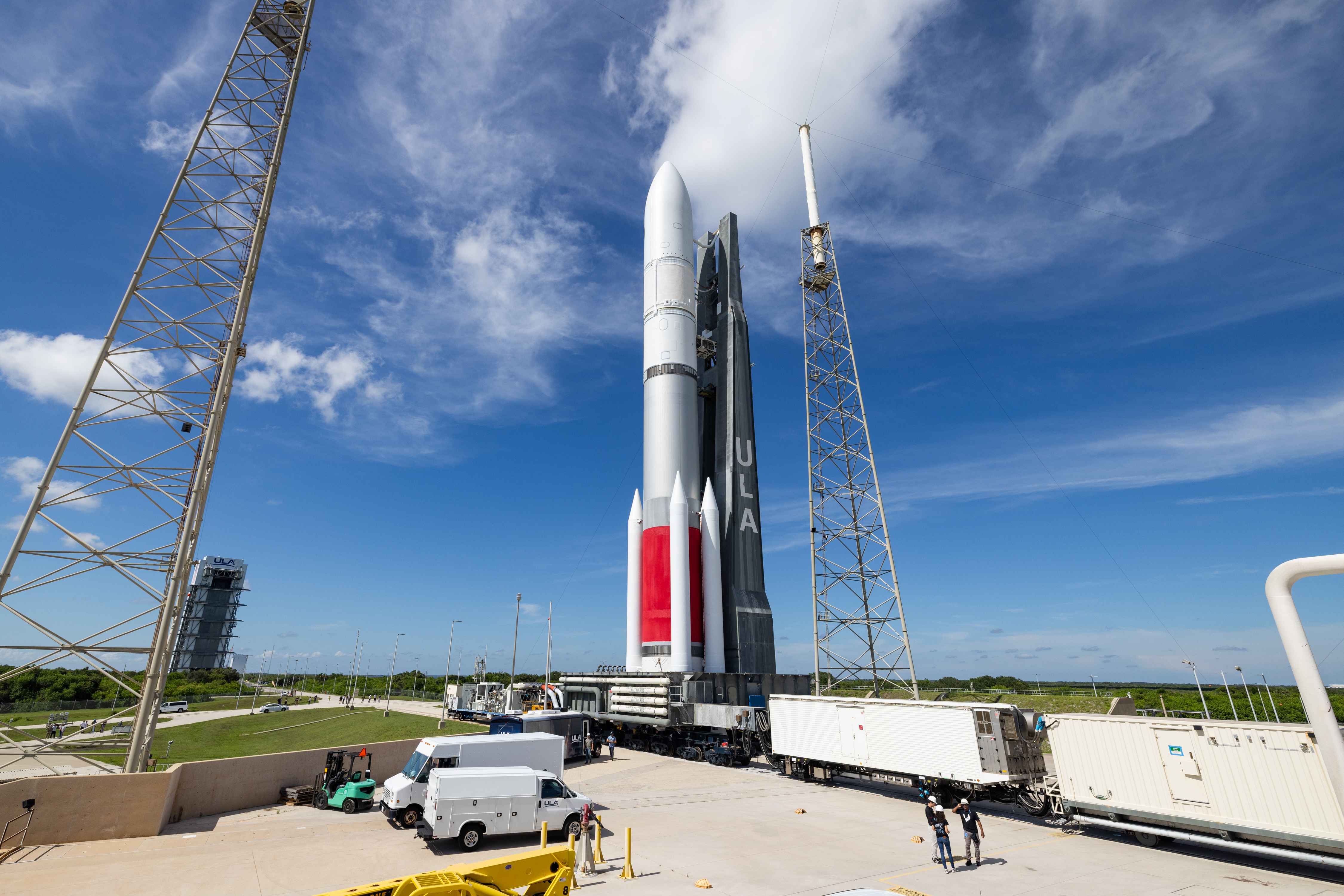
USSF-106 is a mission for the United States Space Force. The launch will deploy various payloads directly into geosynchronous orbit, including the NTS-3 (Navigation Technology Satellite 3), a demonstration navigation satellite testing a new digital signal generator that can be reprogrammed on-orbit to broadcast new signals, improve performance by avoiding and defeating interference, and adding signatures for detecting spoofing attacks.
Mission Data

The launch vehicle successfully inserted its payload(s) into the target orbit(s).
About Vulcan VC4S
Vulcan Centaur is a two-stage-to-orbit, heavy-lift launch vehicle under development by United Launch Alliance (ULA) since 2014. It is principally designed to meet launch demands for the U.S. government's National Security Space Launch (NSSL) program for use by the United States Space Force and U.S. intelligence agencies for national security satellite launches. It will replace both of ULA's existing launchers (Atlas V and Delta IV Heavy) in this role, as these launchers are retiring.
Launch Site
Launch data from Launch Library 2 by The Space Devs.